 11
11
In the modern digital age, access to information has become faster and more dynamic than ever before. News is no longer limited to newspapers or television broadcasts; instead, it flows continuously through digital platforms, mobile applications, and social media networks. As audiences increasingly rely on online sources for updates, digital news platforms have transformed how people consume and interact with information. One emerging concept that reflects this transformation is world news feedworldtech, which represents the fusion of global news delivery with advanced technology-driven systems.
The idea behind world new feedworldtech reflects the growing demand for real-time information that reaches audiences instantly, regardless of geographical boundaries. Through modern algorithms, artificial intelligence, and data-driven systems, news organizations are able to curate and deliver content tailored to readers’ interests and preferences. This shift has not only improved accessibility but has also reshaped the entire media landscape.
Understanding how digital journalism has evolved and how technological innovation continues to shape it is essential for both readers and media professionals. In this article, we will explore the transformation of news distribution, the impact of technology on journalism, the benefits and challenges of modern news platforms, and how systems like world news feedworldtech contribute to the future of global communication.
The way people consume news has changed dramatically over the last few decades. Traditional media outlets once dominated the industry, but the rise of the internet has introduced new forms of news distribution that are faster and more interactive. news feedworldtech
Digital platforms allow readers to access news instantly through smartphones, tablets, and computers. Instead of waiting for scheduled broadcasts or printed publications, audiences now receive constant updates. This shift has encouraged media companies to adopt innovative systems that provide continuous streams of information.

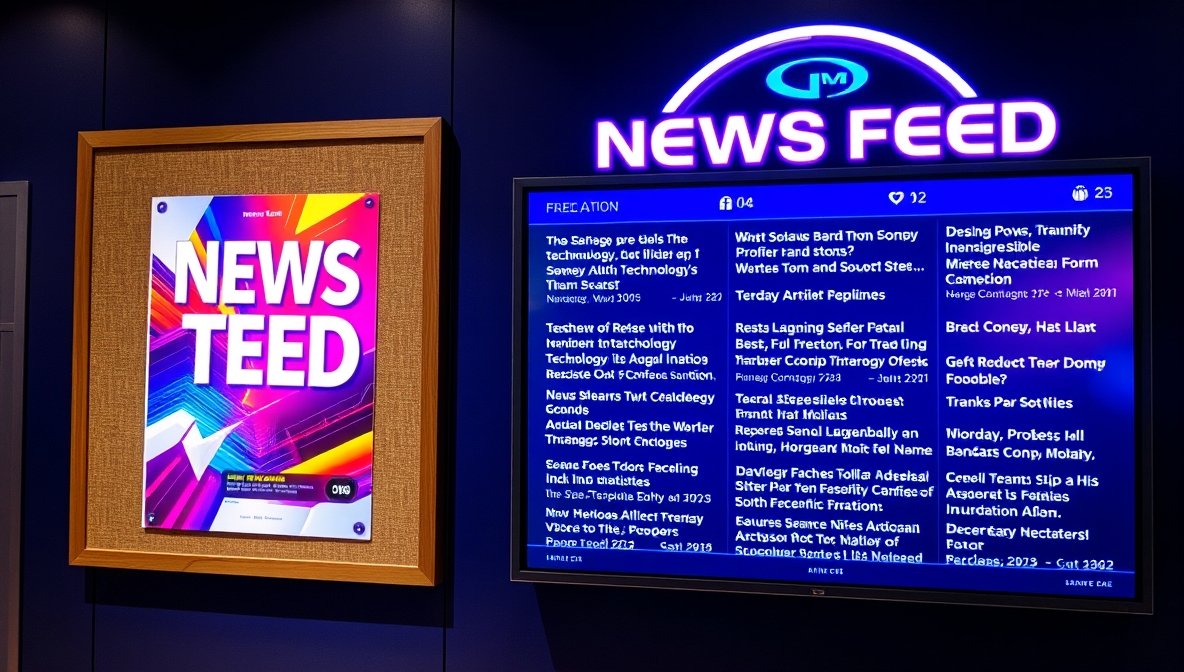
One example of this technological shift is the integration of world news feedworldtech, which combines automated news aggregation with advanced data analysis. Such systems gather information from various global sources and organize it into a coherent stream for readers. By doing so, they ensure that audiences remain informed about significant events happening around the world.
The transformation of news consumption also reflects changes in audience expectations. People now demand personalized content, real-time updates, and interactive features. Technology has enabled media organizations to meet these expectations by creating dynamic platforms that adapt to user behavior and preferences.
Technology has become an essential component of journalism. From data analytics to artificial intelligence, modern newsrooms rely on advanced tools to gather, verify, and distribute information efficiently.
Artificial intelligence, for example, can analyze vast amounts of data within seconds. This capability allows journalists to identify emerging trends, monitor global developments, and deliver accurate reports quickly. Platforms inspired by world news feedworldtech leverage these technologies to streamline the news delivery process.
Another important technological advancement is automation. Automated systems can compile news from multiple sources and present it in a structured format. This reduces the time required for manual data collection and allows journalists to focus more on investigation and storytelling.
Additionally, mobile technology has expanded the reach of journalism. With smartphones becoming the primary source of information for many people, news platforms must optimize their content for mobile accessibility. The concept behind world new feedworldtech aligns with this trend by providing continuous updates designed for digital devices.
These technological developments have not only improved efficiency but also enhanced the speed and reliability of modern news delivery.
The internet has created a world where information travels across borders instantly. Events that occur in one part of the world can be reported and discussed globally within minutes. This unprecedented level of connectivity has transformed journalism into a truly international enterprise.
Systems like world news feedworldtech play a crucial role in facilitating this global exchange of information. By collecting news from multiple regions and presenting it in a unified format, such platforms ensure that readers stay informed about international developments.
Global connectivity has also increased public awareness of social, political, and environmental issues. Readers now have access to diverse perspectives and viewpoints from around the world. This exposure encourages greater understanding of global events and fosters a more informed society.
However, the rapid spread of information also presents challenges. Misinformation and unverified reports can circulate quickly, making it essential for news organizations to maintain strict standards of accuracy and credibility.
Despite these challenges, the benefits of global connectivity remain significant. The integration of advanced technologies ensures that systems like world new feedworldtech continue to enhance the speed and reach of modern journalism.
In an era where information is abundant, reliability has become one of the most important aspects of journalism. Readers depend on credible sources to provide accurate and unbiased reporting.
News organizations must follow strict editorial guidelines to verify information before publishing it. Fact-checking, cross-referencing sources, and consulting experts are essential steps in maintaining journalistic integrity.
Platforms influenced by world news feedworldtech must also prioritize reliability. Because these systems gather information from multiple sources, they must ensure that the data presented to readers is accurate and trustworthy.
Maintaining reliability not only builds trust with audiences but also strengthens the reputation of media organizations. When readers feel confident in the credibility of a news platform, they are more likely to rely on it as their primary source of information.
Digital news platforms offer numerous advantages that traditional media cannot match. One of the most significant benefits is speed. News can be published and updated instantly, allowing readers to stay informed about developing events.
Another advantage is accessibility. Online platforms enable readers to access information from anywhere in the world at any time. This convenience has made digital news the preferred choice for many audiences.
Furthermore, digital journalism encourages audience engagement. Readers can comment on articles, share content on social media, and participate in discussions about current events. This interaction creates a more dynamic relationship between journalists and their audiences.
The integration of technologies associated with world new feedworldtech enhances these benefits by organizing information efficiently and delivering personalized news feeds tailored to individual interests.
Despite its advantages, digital journalism also faces several challenges. One major issue is the spread of misinformation. Because information travels quickly online, false or misleading reports can gain attention before they are corrected.
Another challenge is the pressure to publish news rapidly. In the race to break stories first, some organizations may overlook proper verification processes. Maintaining accuracy while delivering timely updates is a delicate balance that journalists must manage carefully.
Technological platforms such as world news feedworldtech must address these challenges by incorporating strong verification systems and editorial oversight. Advanced algorithms can help identify unreliable sources and filter out misleading content.
Financial sustainability is another concern for modern journalism. As advertising revenue shifts to digital platforms, traditional media organizations must adapt their business models to remain viable.
Despite these challenges, innovation and technological advancement continue to drive the evolution of journalism.

The future of journalism will likely be shaped by continued technological development. Artificial intelligence, machine learning, and data analytics will play increasingly important roles in news production and distribution.
Personalization will also become more sophisticated. News platforms will use advanced algorithms to deliver content that matches individual interests and reading habits. Systems modeled after world news feedworldtech demonstrate how technology can provide readers with customized news experiences.
Another emerging trend is immersive storytelling. Technologies such as virtual reality and augmented reality may allow audiences to experience news events in more interactive and engaging ways.
As these innovations continue to develop, journalism will become more adaptive, responsive, and accessible than ever before.
1. What does the concept of world news feedworldtech represent?
It represents a modern approach to news delivery that combines global news aggregation with advanced technological systems to provide real-time information to readers.
2. How does technology improve news distribution?
Technology allows news to be collected, analyzed, and distributed quickly, ensuring that audiences receive updates instantly and efficiently.
3. Why is digital journalism becoming more popular?
Digital journalism offers speed, accessibility, and interactivity, allowing readers to stay informed and engage with news content anytime and anywhere.
4. What challenges do digital news platforms face?
Challenges include misinformation, rapid publishing pressures, financial sustainability, and maintaining credibility in an environment with abundant information.
5. How will the future of journalism evolve?
The future will likely involve greater use of artificial intelligence, personalized content delivery, and innovative storytelling technologies that enhance audience engagement.
The transformation of journalism in the digital era has fundamentally changed how people access and interact with news. Technological advancements have made information more accessible, faster to deliver, and more personalized than ever before. Systems like world news feedworldtech illustrate how modern technology can organize and distribute global news efficiently, ensuring that audiences remain informed about important developments around the world.
As journalism continues to evolve, maintaining credibility and accuracy will remain essential. While digital platforms provide many advantages, they must also address challenges such as misinformation and rapid information flow. By combining technological innovation with strong editorial standards, the media industry can continue to provide reliable and meaningful news coverage.
Ultimately, the future of journalism will depend on balancing innovation with responsibility. With continued advancements and thoughtful implementation of technologies similar to world new feedworldtech, the global news ecosystem can remain informative, trustworthy, and accessible for generations to come.