 111
111 2
2 3
3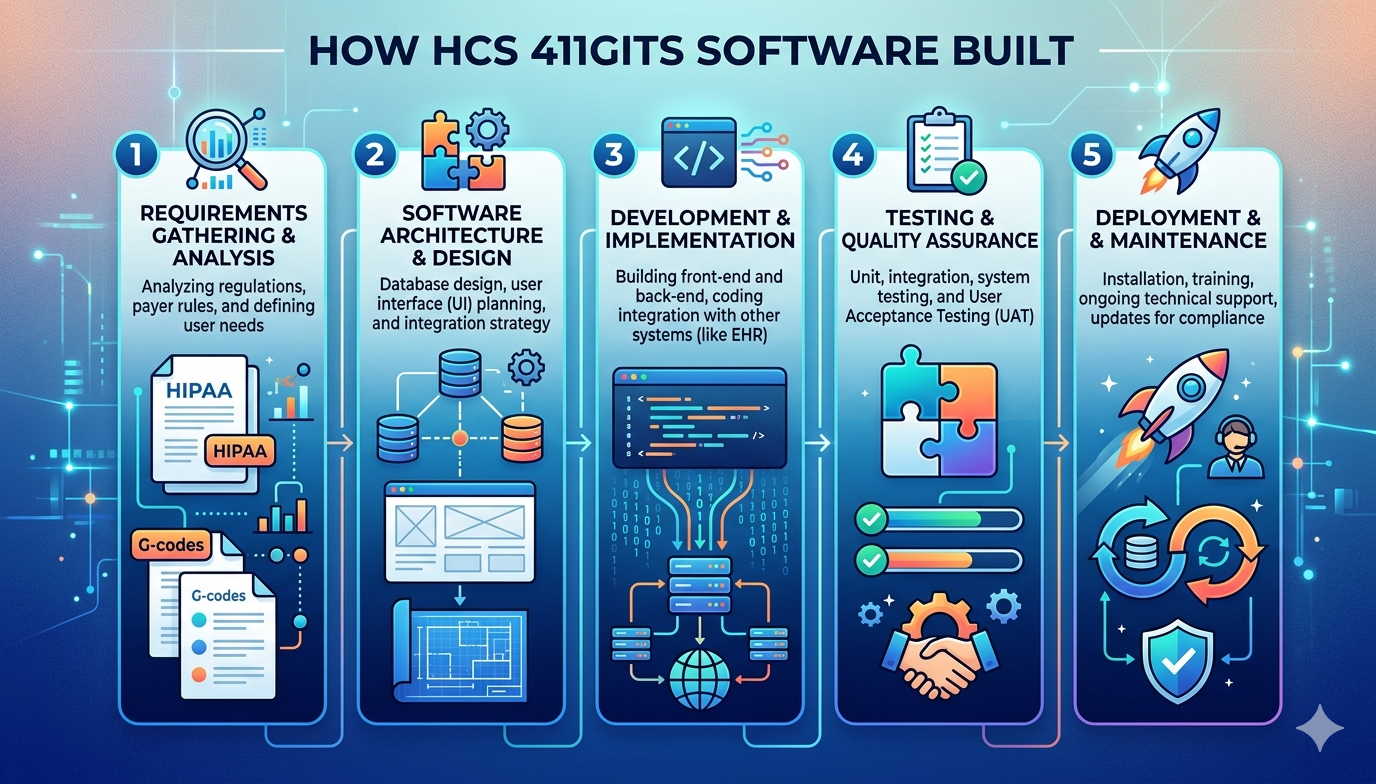
In today’s digital world, software development has become the backbone of innovation, powering everything from mobile applications to enterprise systems. Understanding the journey behind a software product helps developers, entrepreneurs, and students appreciate the complexity and creativity involved. One such interesting topic that sparks curiosity is how hcs 411gits software built, as it represents not just a technical process but a combination of strategy, teamwork, and modern engineering practices.
The process of building software has evolved significantly over time. From simple command-line tools to complex cloud-based systems, every project follows a structured yet flexible approach. This article dives deep into the phases, technologies, challenges, and best practices that define modern software development while explaining how hcs 411gits software built step by step.
Before any coding begins, a strong foundation is required. This includes defining the purpose, identifying the target audience, and understanding the problem the software aims to solve. When analyzing how hcs 411gits software built, the initial phase focuses heavily on research and planning.
Developers and stakeholders collaborate to gather requirements. These requirements are categorized into functional and non-functional needs. Functional requirements define what the software should do, while non-functional requirements focus on performance, security, and usability.
Planning also involves selecting the right development methodology. Agile, Scrum, and Waterfall are some commonly used approaches. Agile has gained popularity due to its flexibility and iterative nature, making it easier to adapt changes during development.
Once the requirements are clear, the next step is designing the architecture. This stage is crucial because it determines how the software will function internally. Understanding how hcs 411gits software built requires a deep look into architectural decisions.
Software architecture defines components, modules, and their interactions. Developers decide whether to use a monolithic structure or a microservices-based approach. Microservices allow scalability and flexibility, while monolithic systems are simpler to build and manage initially.
The design phase also includes creating wireframes and prototypes. These visual representations help stakeholders understand how the final product will look and behave. User experience plays a major role in this stage.
A technology stack refers to the combination of programming languages, frameworks, and tools used to build software. In the context of how hcs 411gits software built, selecting the right stack is essential for performance and scalability.
Frontend technologies like HTML, CSS, and JavaScript are used to create user interfaces. Backend technologies such as Python, Java, or Node.js handle server-side logic. Databases like MySQL or MongoDB store and manage data efficiently.
Developers also use version control systems like Git to manage code changes. Cloud platforms and DevOps tools help automate deployment and ensure continuous integration and delivery.
The development phase is where the actual coding begins. This is the most time-consuming part of the process. When discussing how hcs 411gits software built, this stage highlights the collaboration between developers, testers, and designers.
Developers break down the project into smaller tasks or modules. Each module is developed independently and then integrated into the main system. Coding standards and best practices are followed to maintain code quality.
Regular code reviews are conducted to identify bugs and improve performance. Agile methodologies ensure that development is done in iterations, allowing feedback and improvements along the way.

No software is complete without thorough testing. Testing ensures that the software works as intended and is free from major bugs. In understanding how hcs 411gits software built, testing plays a vital role in delivering a reliable product.
There are different types of testing, including unit testing, integration testing, and system testing. Unit testing checks individual components, while integration testing ensures that modules work together correctly. wearable upgrade feedworldtech
Quality assurance teams also perform manual and automated testing to identify usability issues. Security testing is crucial to protect user data and prevent vulnerabilities.
After successful testing, the software is ready for deployment. This stage involves releasing the product to users. When exploring how hcs 411gits software built, deployment strategies are carefully planned to minimize downtime and risks.
Continuous Integration and Continuous Deployment (CI/CD) pipelines are often used to automate the release process. These pipelines ensure that new updates are delivered quickly and efficiently.
Deployment can be done on cloud platforms or on-premise servers, depending on the project requirements. Monitoring tools are used to track performance and identify issues after release.
Software development does not end with deployment. Continuous maintenance is required to keep the software functional and up-to-date. In the journey of how hcs 411gits software built, maintenance ensures long-term success.
Developers regularly fix bugs, improve performance, and add new features based on user feedback. Updates are released periodically to enhance functionality and security.
User support is also an important aspect of maintenance. Providing timely assistance helps build trust and improve user satisfaction.
A successful software project relies on effective teamwork. Developers, designers, testers, and project managers must work together seamlessly. When analyzing how hcs 411gits software built, collaboration emerges as a key factor.
Communication tools and project management software help teams stay organized. Daily meetings, sprint planning, and retrospectives ensure that everyone is aligned with project goals.
Collaboration also encourages innovation. Team members share ideas and solutions, leading to better outcomes and improved efficiency.
Building software is not without challenges. From technical issues to time constraints, developers face numerous obstacles. Understanding how hcs 411gits software built includes recognizing these challenges and finding ways to overcome them.
Common challenges include changing requirements, tight deadlines, and limited resources. Security threats and data privacy concerns also pose significant risks.
To address these challenges, teams adopt best practices such as agile methodologies, automated testing, and continuous monitoring.
User experience (UX) plays a crucial role in the success of any software product. A well-designed interface can make a significant difference in user engagement. When studying how hcs 411gits software built, UX design is a major focus.
Designers create intuitive interfaces that are easy to navigate. They consider factors such as layout, color schemes, and responsiveness. Feedback from users is used to improve the design continuously.
A positive user experience leads to higher satisfaction and increased adoption of the software.
In today’s digital landscape, security is more important than ever. Protecting user data and preventing unauthorized access are top priorities. The process of how hcs 411gits software built includes implementing robust security measures.
Encryption, authentication, and access control are commonly used techniques. Regular security audits and updates help identify and fix vulnerabilities.
Compliance with data protection regulations is also essential. This ensures that user information is handled responsibly and ethically.
As software grows, it must handle increased traffic and data efficiently. Scalability ensures that the system can expand without compromising performance. When discussing how hcs 411gits software built, scalability is a critical consideration.
Developers use techniques such as load balancing, caching, and database optimization to improve performance. Cloud computing provides flexibility and resources to scale applications as needed.
Performance testing helps identify bottlenecks and optimize system efficiency.
Software development practices are influenced by global trends and innovations. Countries like the United States have played a significant role in advancing technology and software engineering standards.
In the context of how hcs 411gits software built, global collaboration and knowledge sharing contribute to better solutions. Developers learn from international best practices and adopt new technologies to stay competitive.
This global influence helps create software that meets diverse user needs and standards.
The future of software development is driven by emerging technologies such as artificial intelligence, machine learning, and blockchain. These innovations are transforming the way software is built and used.
Understanding how hcs 411gits software built provides insights into how future systems will evolve. Automation, low-code platforms, and cloud-native development are becoming more common.
Developers must continuously learn and adapt to stay relevant in this rapidly changing field.
The journey of building software is complex yet fascinating. From planning and design to development and maintenance, each stage requires careful attention and expertise. Exploring how hcs 411gits software built reveals the importance of strategy, teamwork, and innovation in creating successful software products.
By understanding these processes, developers and businesses can create solutions that are efficient, secure, and user-friendly. As technology continues to evolve, the principles of software development will remain essential in shaping the digital future.